
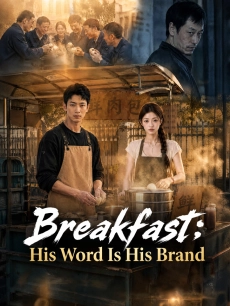


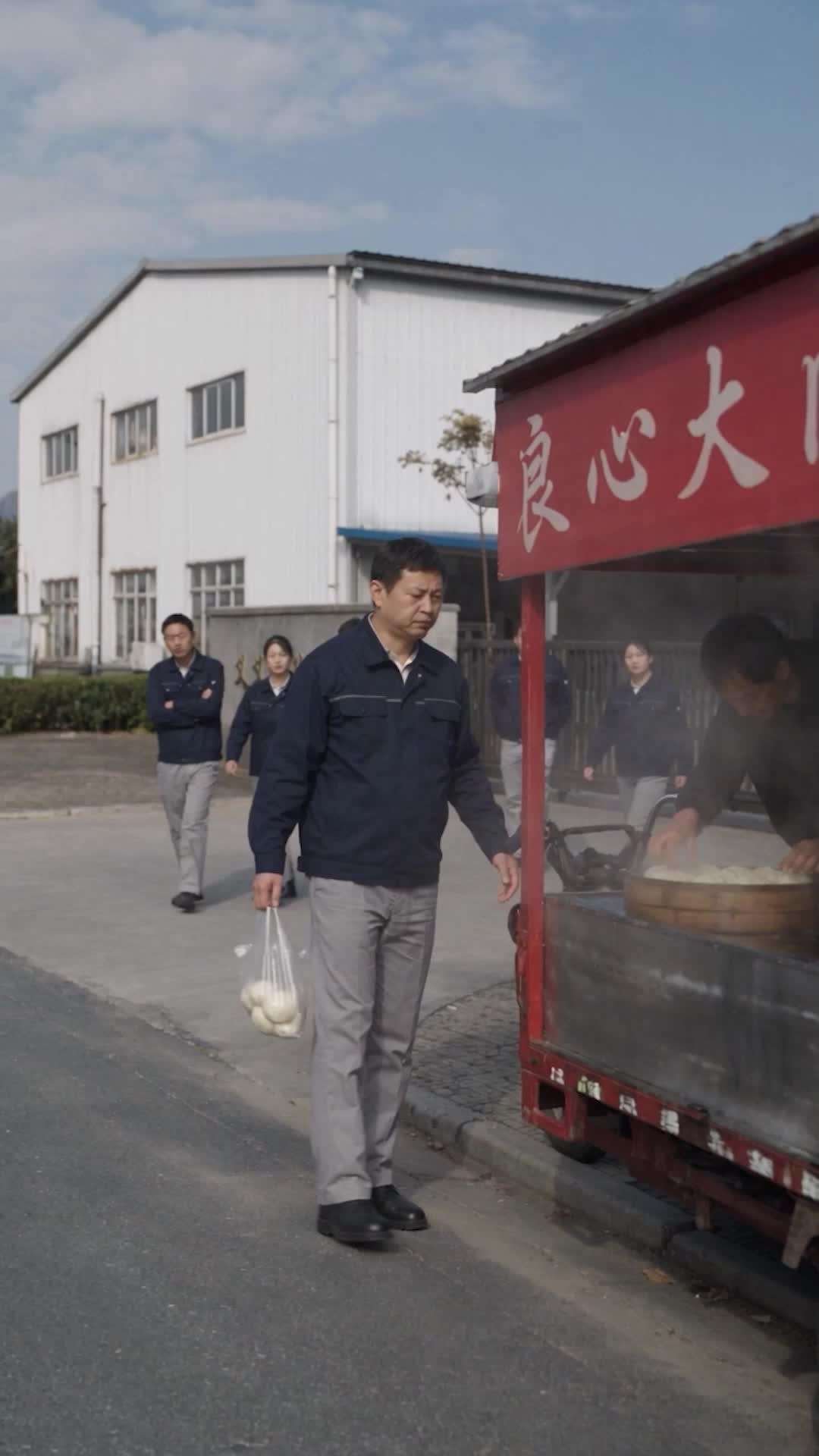
Zhang Ziqiang, a humble bun vendor, insists on using fresh meat and never cutting corners. After raising prices due to rising costs, he loses customers to a rival selling cheap, spoiled meat and is forced to move to a remote morning market. But his honest buns slowly earn a loyal following. When the rival’s shortcuts cause dozens of people to suffer food poisoning, Zhang’s rule—“Fresh meat for fresh buns”—finally wins back everyone’s trust and respect.
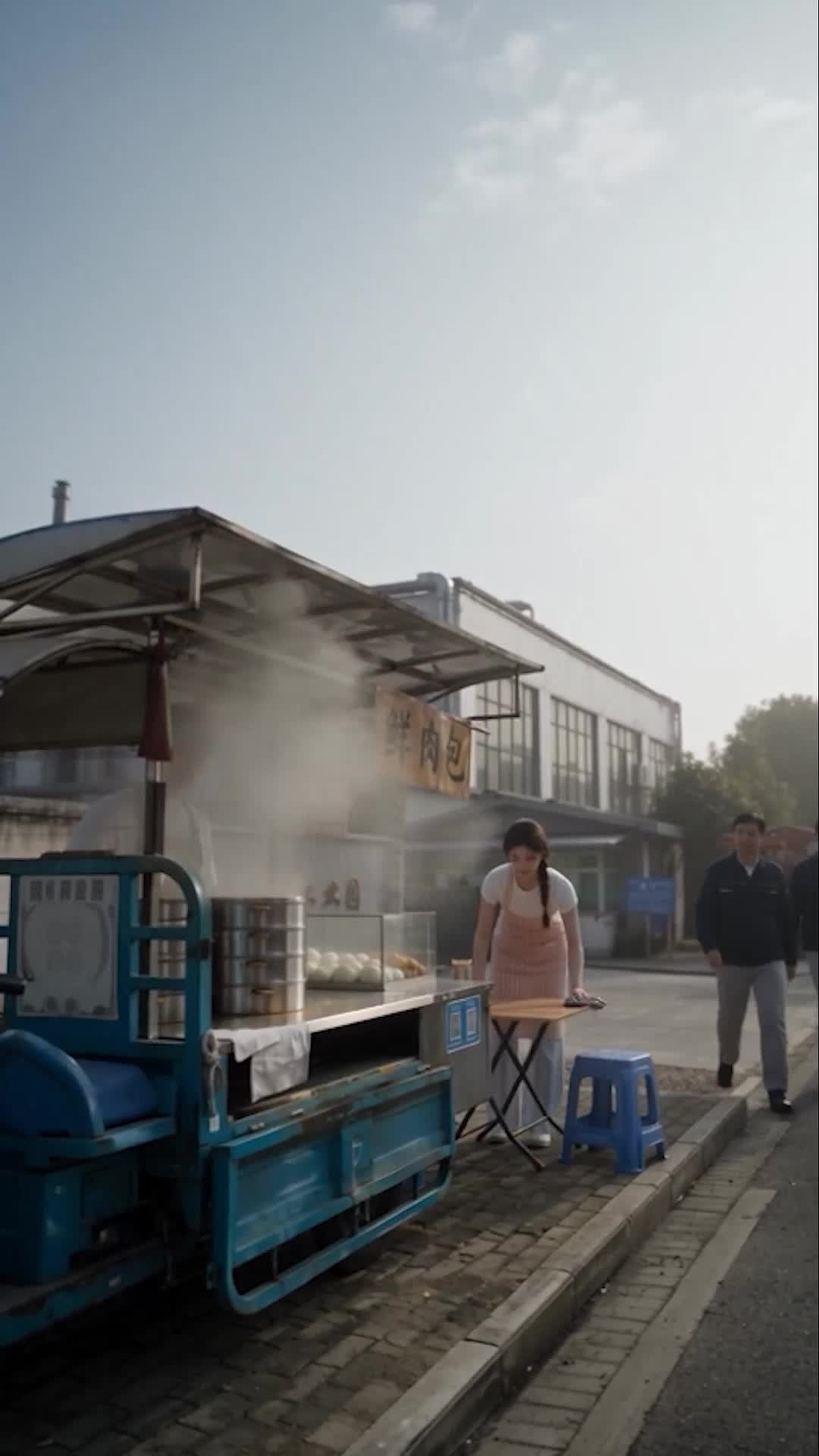
Episode 1 - Bun Price Hike Sparks Doubts, New Shop Emerges
When Boss Zhang raises bun prices to 2.5 yuan each due to soaring ingredient costs, workers question if the filling is truly fresh. A new bun shop across the street then offers a tempting low-price deal, luring most customers, while only Old Xu stays loyal, sparking an intriguing clash between trust and affordability.
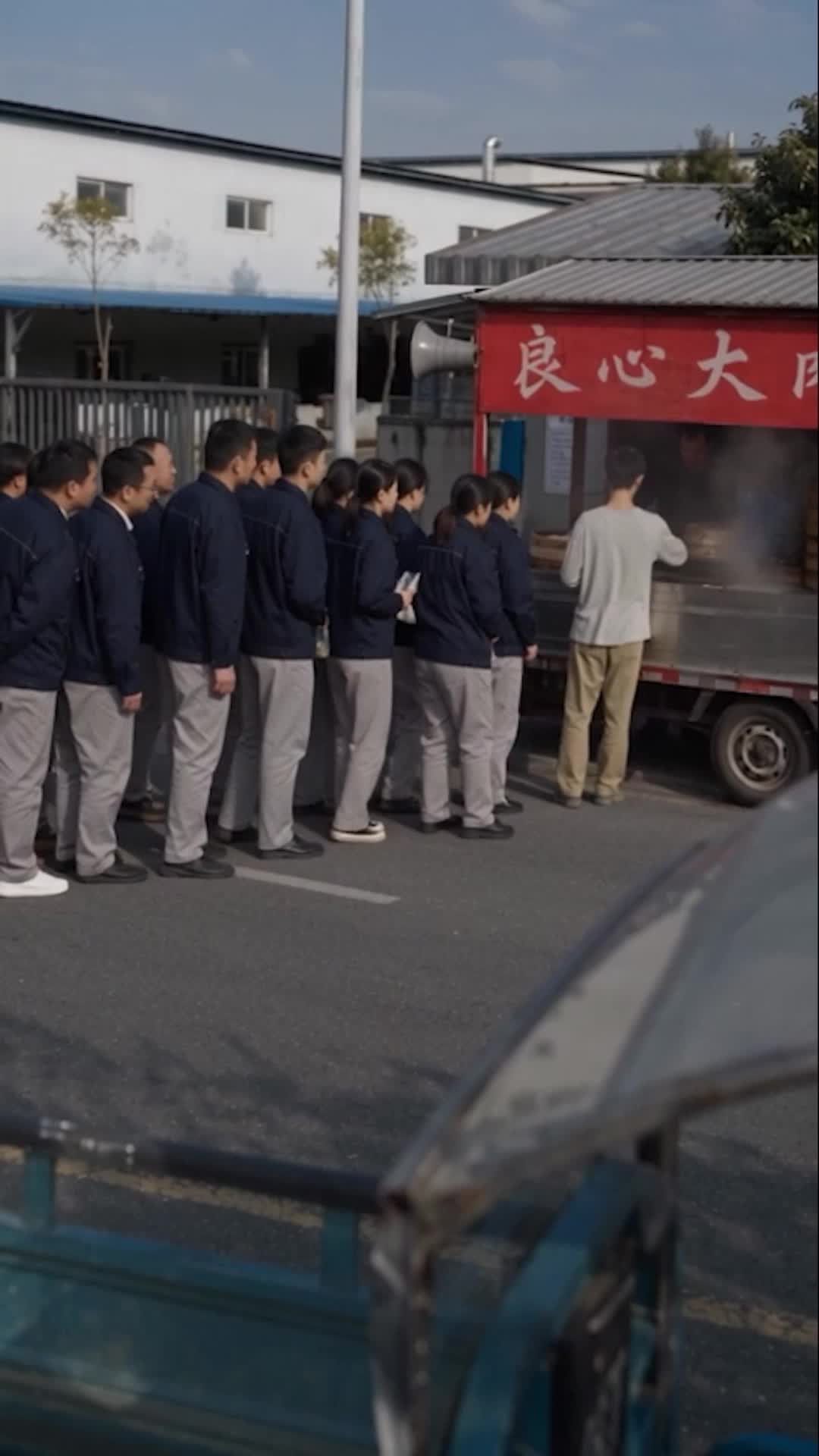
Episode 2 - Dishonest Bun Vendor vs. Honest Rival
A sneaky bun vendor cuts corners by mixing stale meat with fresh to sell low-priced buns and draw customers. His honest competitor sticks to quality ingredients, and loyal patrons prefer his non-greasy, stomach-friendly buns despite higher costs, sparking an ethics clash at the breakfast stalls.

Episode 3 - Stall Owner's Cost-Price Woes
Zhang Ziqiang’s breakfast stall struggles with skyrocketing ingredient costs and stall rent. After raising bun prices by 50 cents, customers brand him a scammer and flock to a cheaper rival—until someone finds the rival’s meat filling is spoiled, revealing a stark choice between low prices and quality.
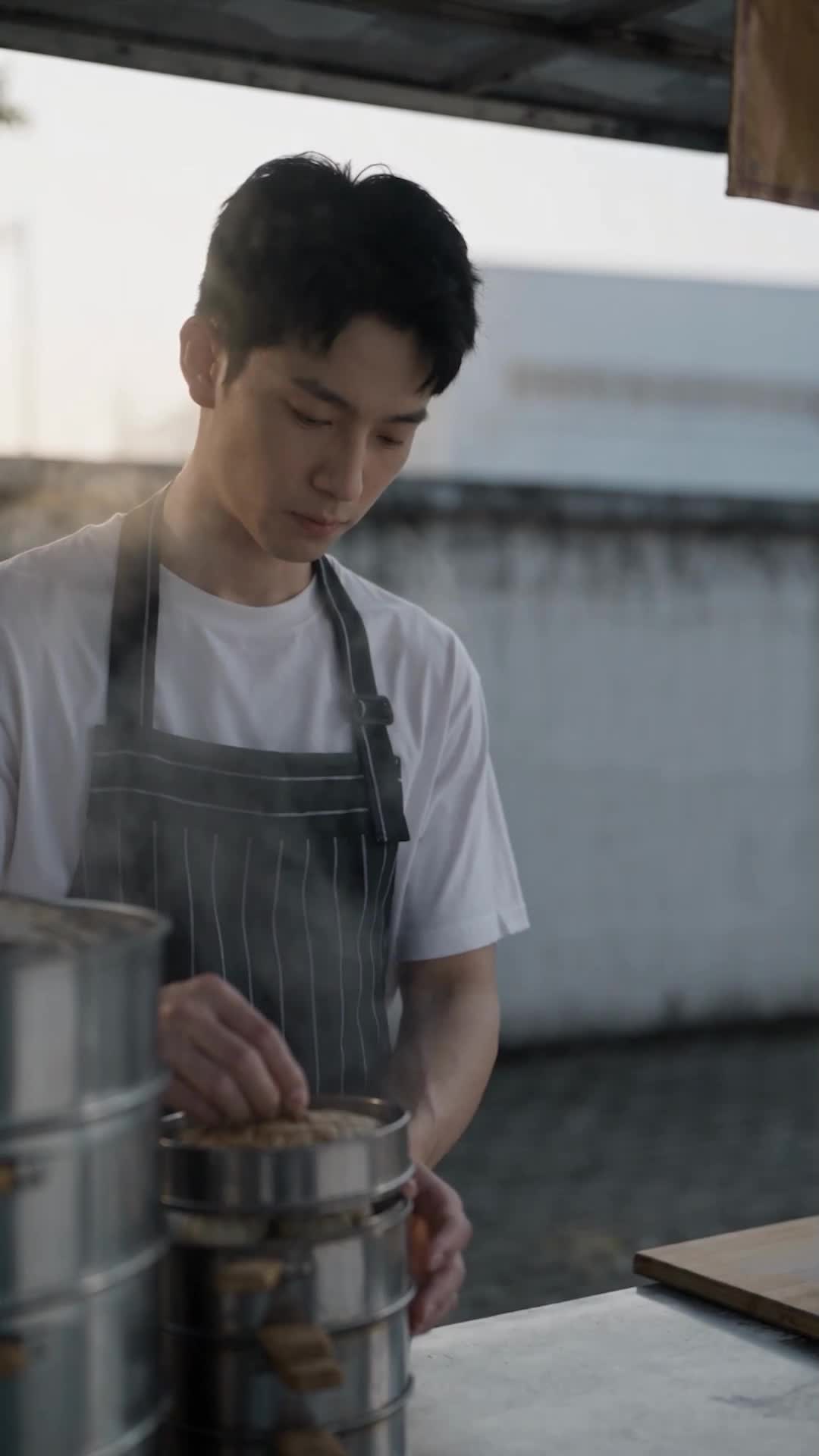
Episode 4 - Bun Boss Faces Criticism, Rejects Defense Aid
Customers confront the bun shop owner over price hikes, calling him greedy and rude. A local short-video creator offers to make a video showing his ingredient costs to clear his name, but the owner refuses, believing customers can taste the quality difference.

Episode 5 - Breakfast Boss Sticks to Principles Amid Doubts
Amid online doubts and reposts targeting his breakfast stall, some suggest filming his 4 AM market runs to prove no fake ingredients, while a peer urges him to cut corners to lower costs. The stubborn boss sticks to his principles, refusing to compromise even if he risks losing customers and affording stall rent.
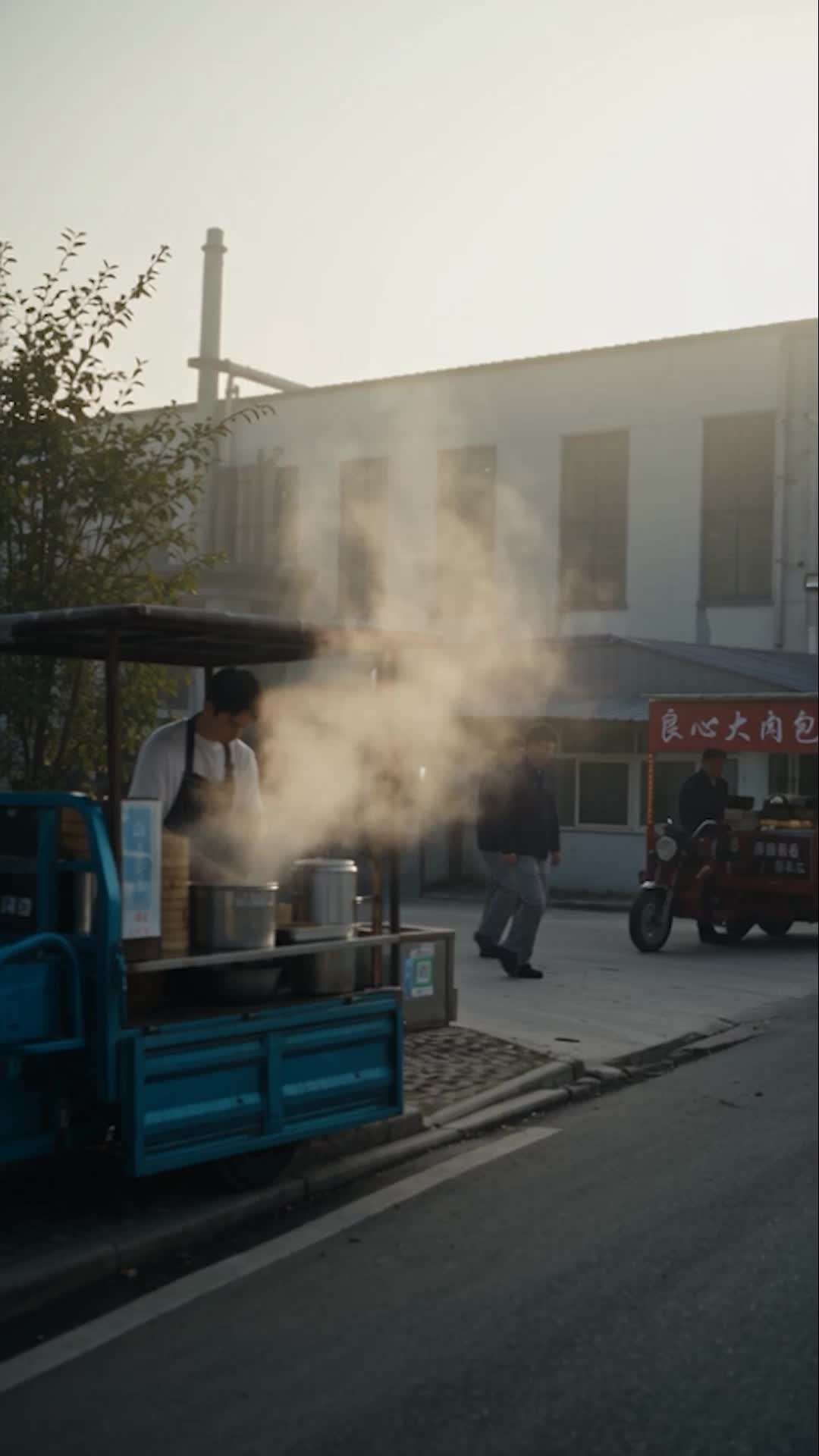
Episode 6 - Zhang Won't Cut Bun Corners
Zhang Zhiqiang rejects a fellow vendor's advice to cut corners on bun ingredients for higher profits. When Supervisor Zhao demands he lower prices or leave his stall, he chooses to relocate instead of compromising his bun quality, sticking firmly to his principles.
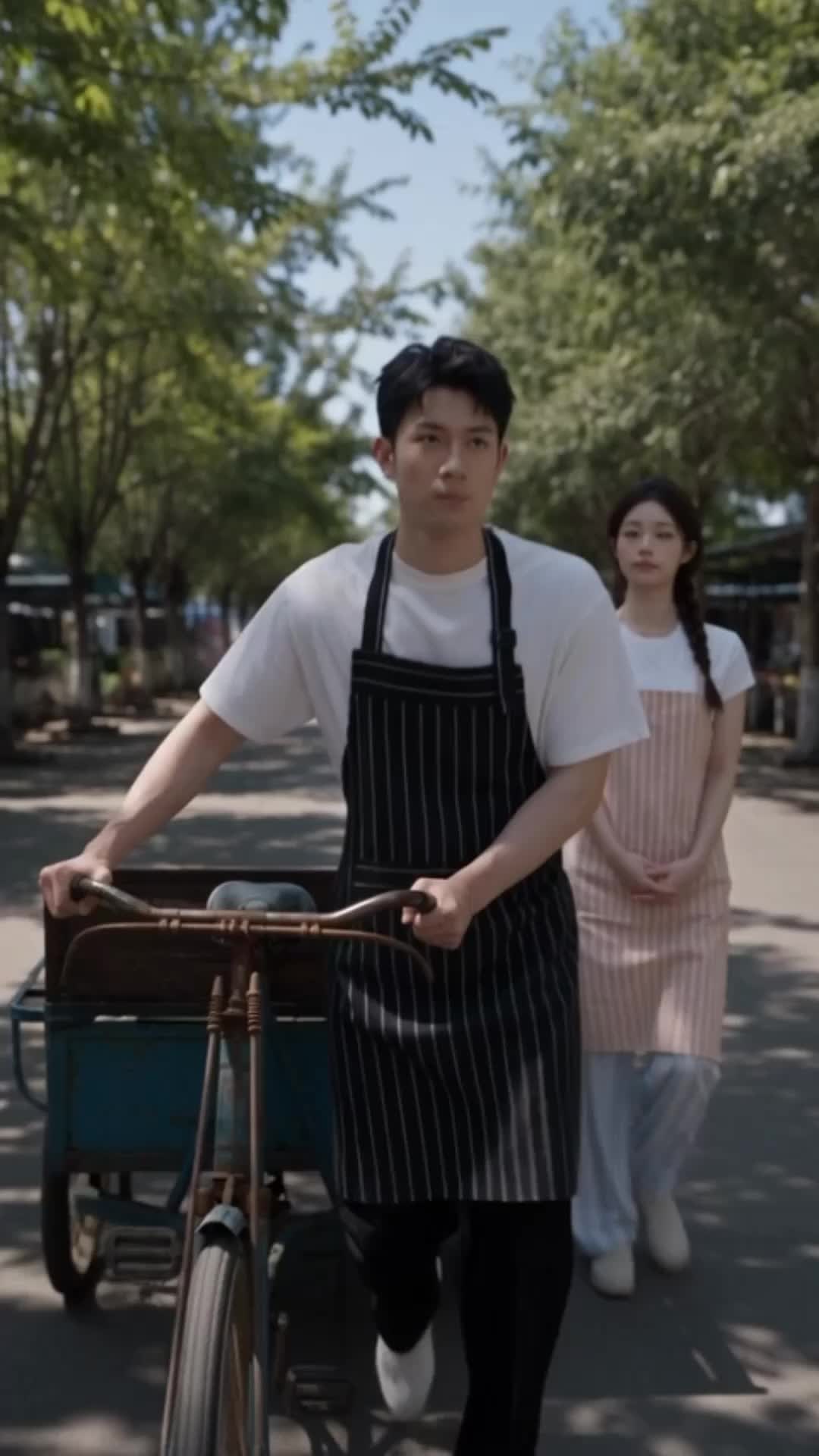
Episode 7 - Zhang Ziqiang Rents a Breakfast Stall
Zhang Ziqiang decides to rent a remote morning market breakfast stall, though three previous vendors didn't last a month. He pays half a month's fee upfront, plans one last day selling at the industrial park, and follows strict market management rules.
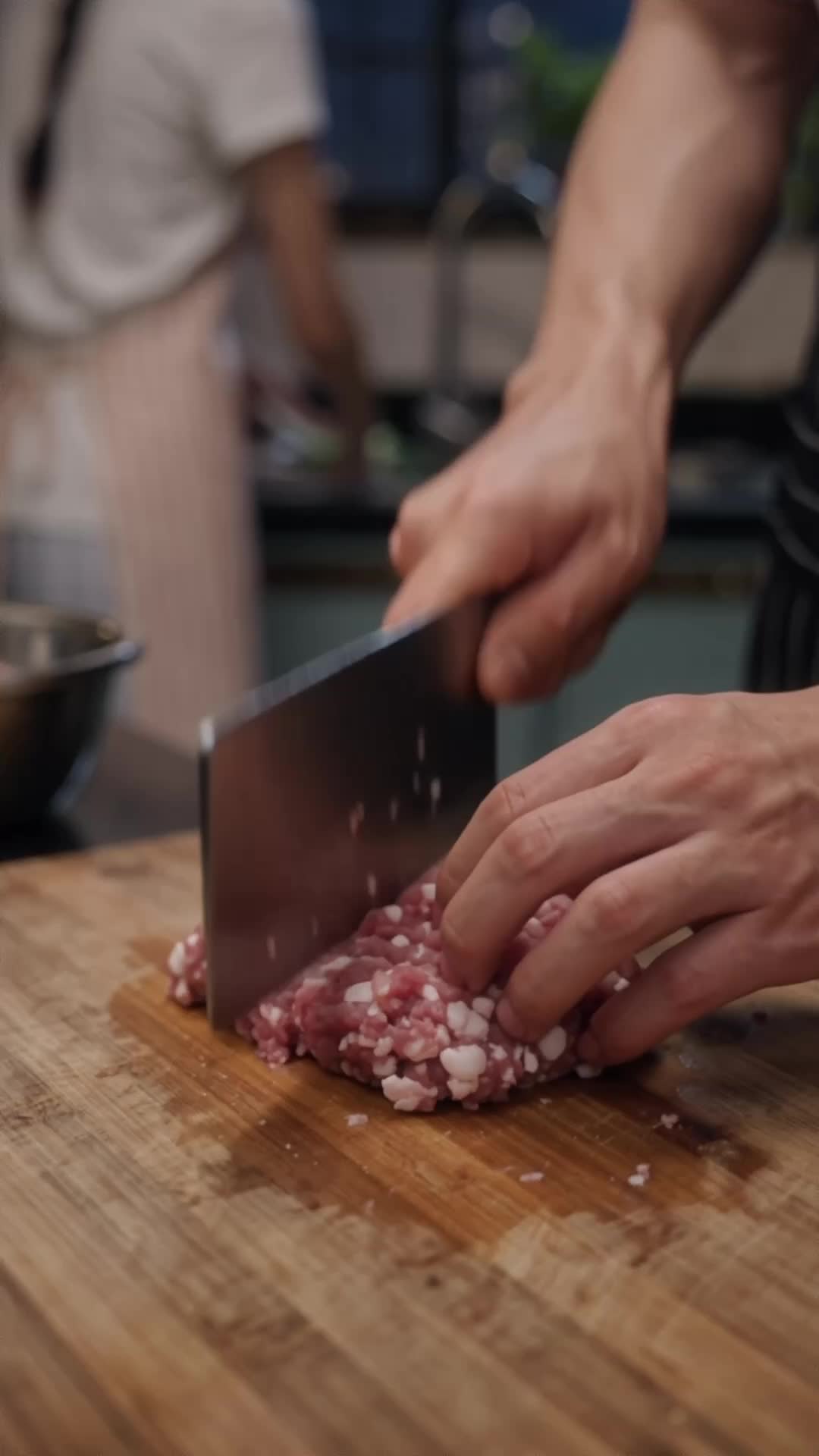
Episode 8 - Final Day: Zhang's Breakfast Shop Relocation
On the final day of his breakfast shop, Zhang Ziqiang plans to relocate after selling out. Regular customers discuss switching to cheaper alternatives, while a colleague offers him a fallback job if his new south-side venture fails.
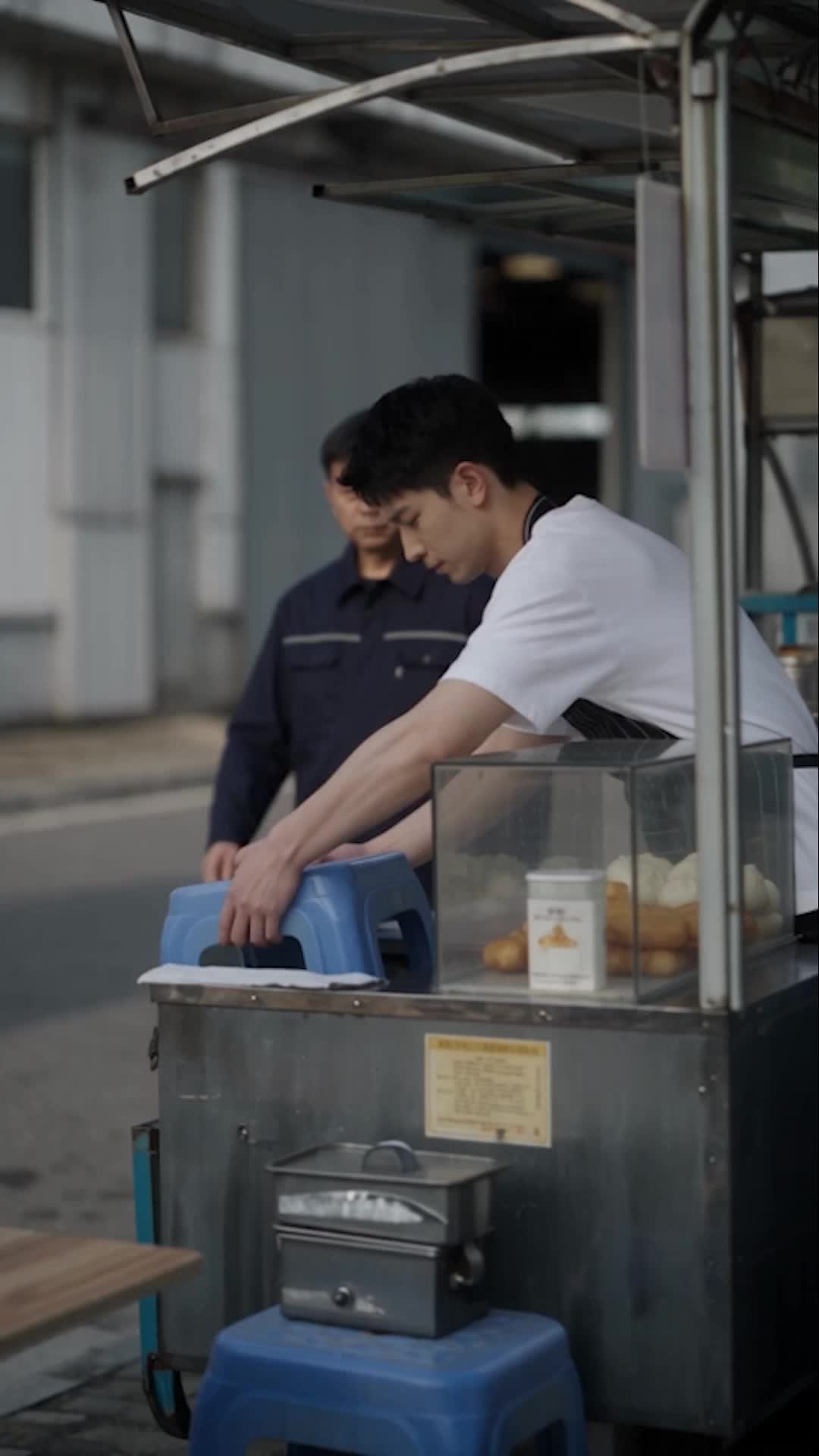
Episode 9 - Zhang Ziqiang Relocates His Breakfast Stall
Zhang Ziqiang decides to move his breakfast stall, ignoring warnings that he can't reclaim the spot. A loyal customer buys all his remaining buns, hoping he'll return. Now, he faces the unknown at a remote new location, ready to start over.

Episode 10 - Breakfast Stall's Challenging First Day
On their breakfast stall's first day, the owners stick to strict quality standards—refusing to over-chop meat or add excessive salt. They face an inspector's hygiene warnings, customers' haggling and slow business, yet stay confident in their brand and tomorrow's prospects.
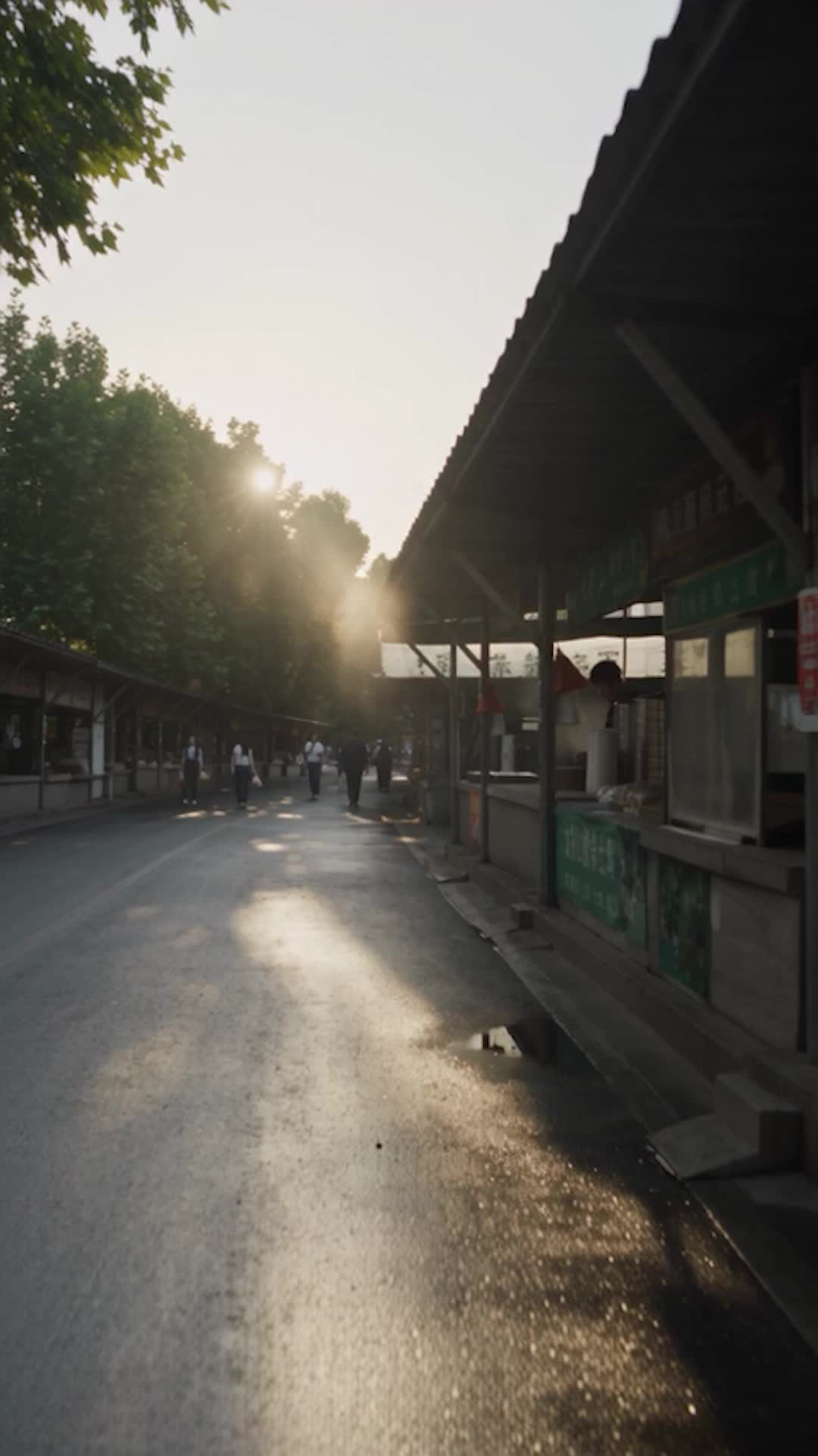
Episode 11 - Dad Gets Pricier Buns for Hungry Son
At a breakfast stall, a dad tries to haggle the $2.5 bun price down but gets rejected. He buys two for his hungry son, who surprisingly praises the lean, non-greasy meat filling. Impressed, the dad orders more. When a friend questions his choice over cheaper buns, he says eating comes before price comparing.
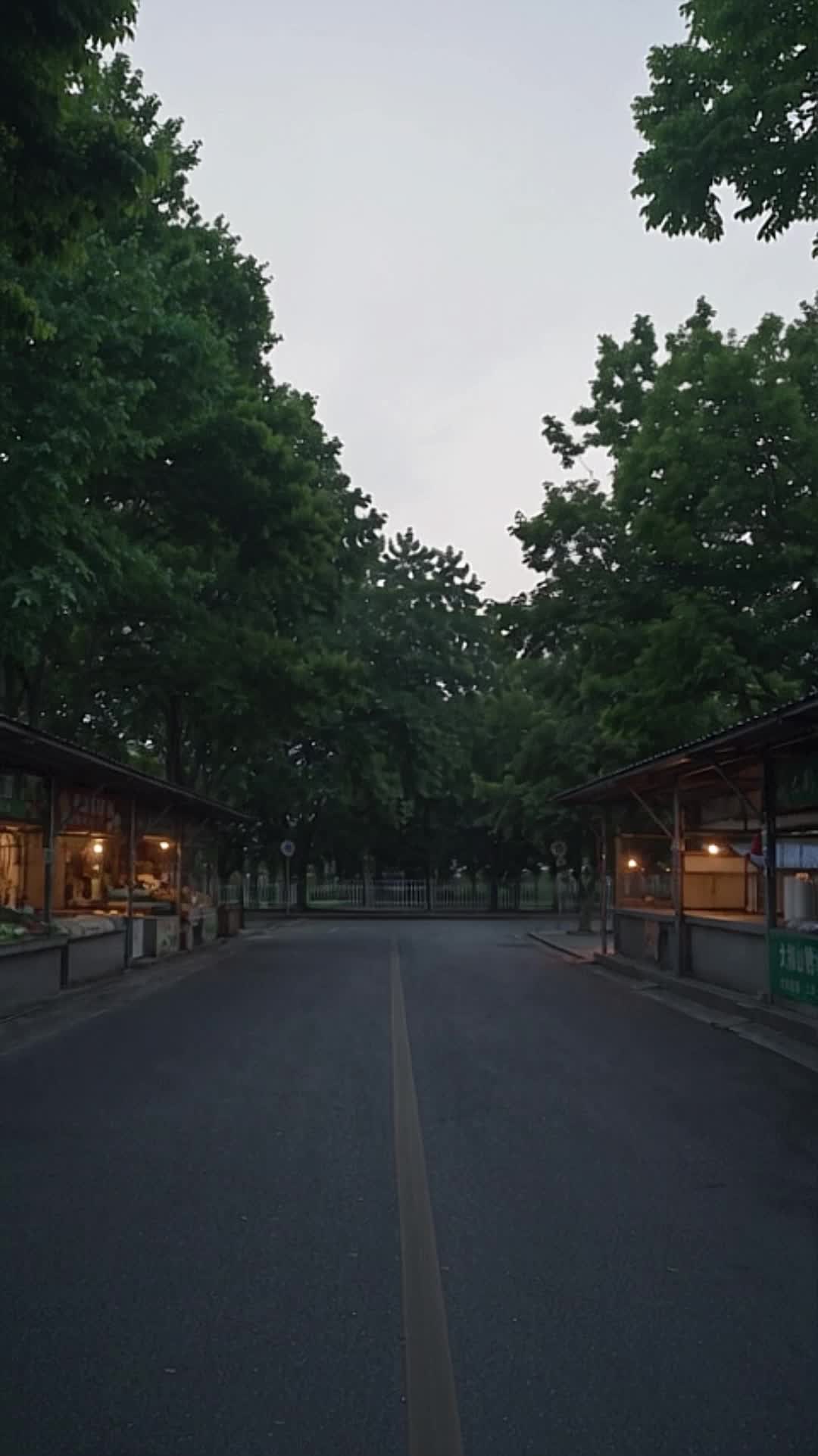
Episode 12 - Returning Customer Loves Buns
A returning customer revisits the breakfast stand, raving about the hand-chopped meat buns that retain the meat's texture instead of turning mushy like machine-ground alternatives. He discusses portion sizes, inquires about tomorrow's batch consistency, and places an order, highlighting the vendor's focus on quality over customer-pleasing sweet talk.
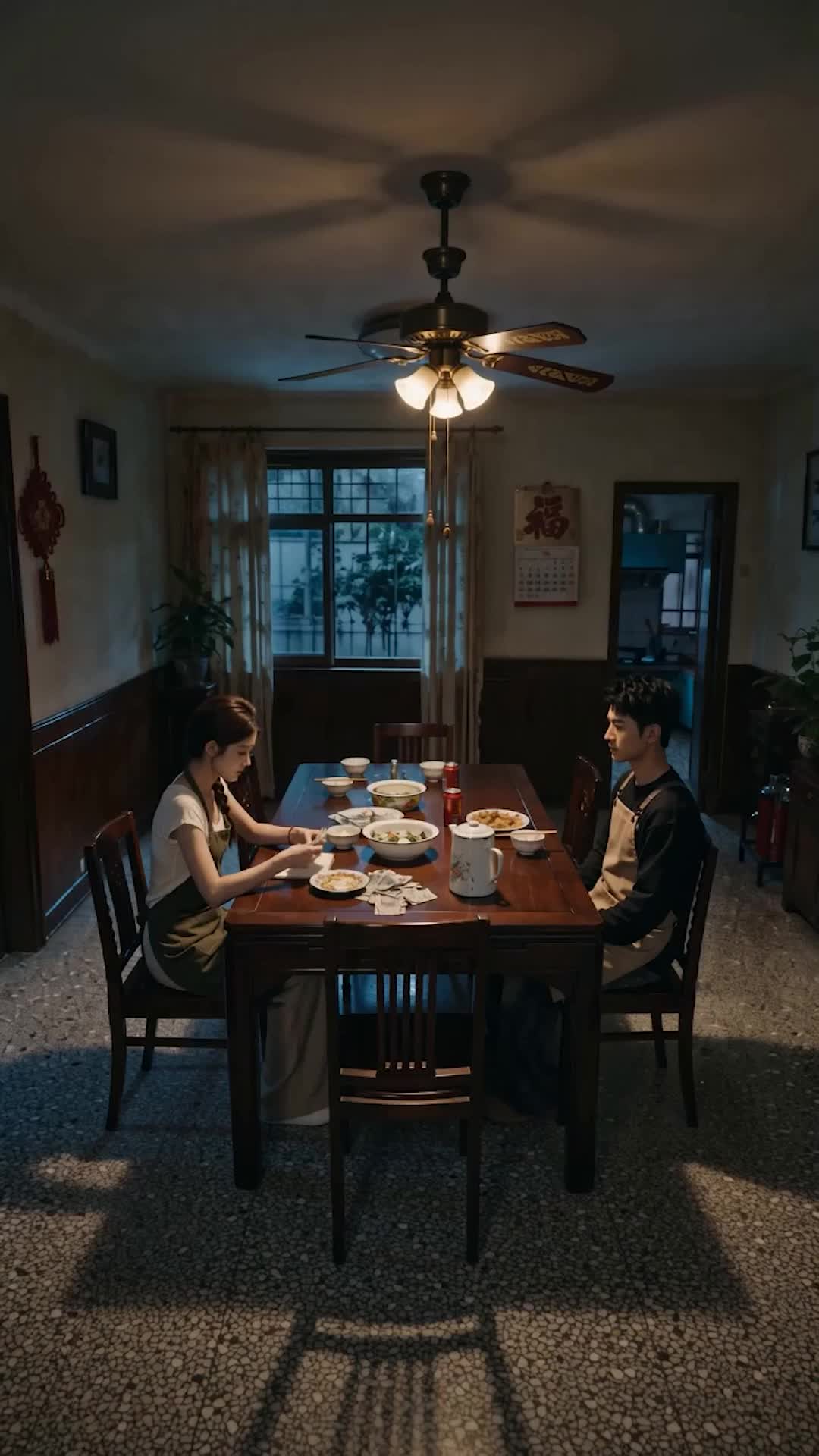
Episode 13 - Breakfast Boss Prioritizes Quality Over Profit
Facing financial pressure, the breakfast shop worker proposes reducing filling to cut costs, but the boss refuses to skimp on quality. Customers love the non-greasy buns, boosting business, and the boss thoughtfully reminds a customer not to overbuy to prevent spoilage, highlighting his integrity.
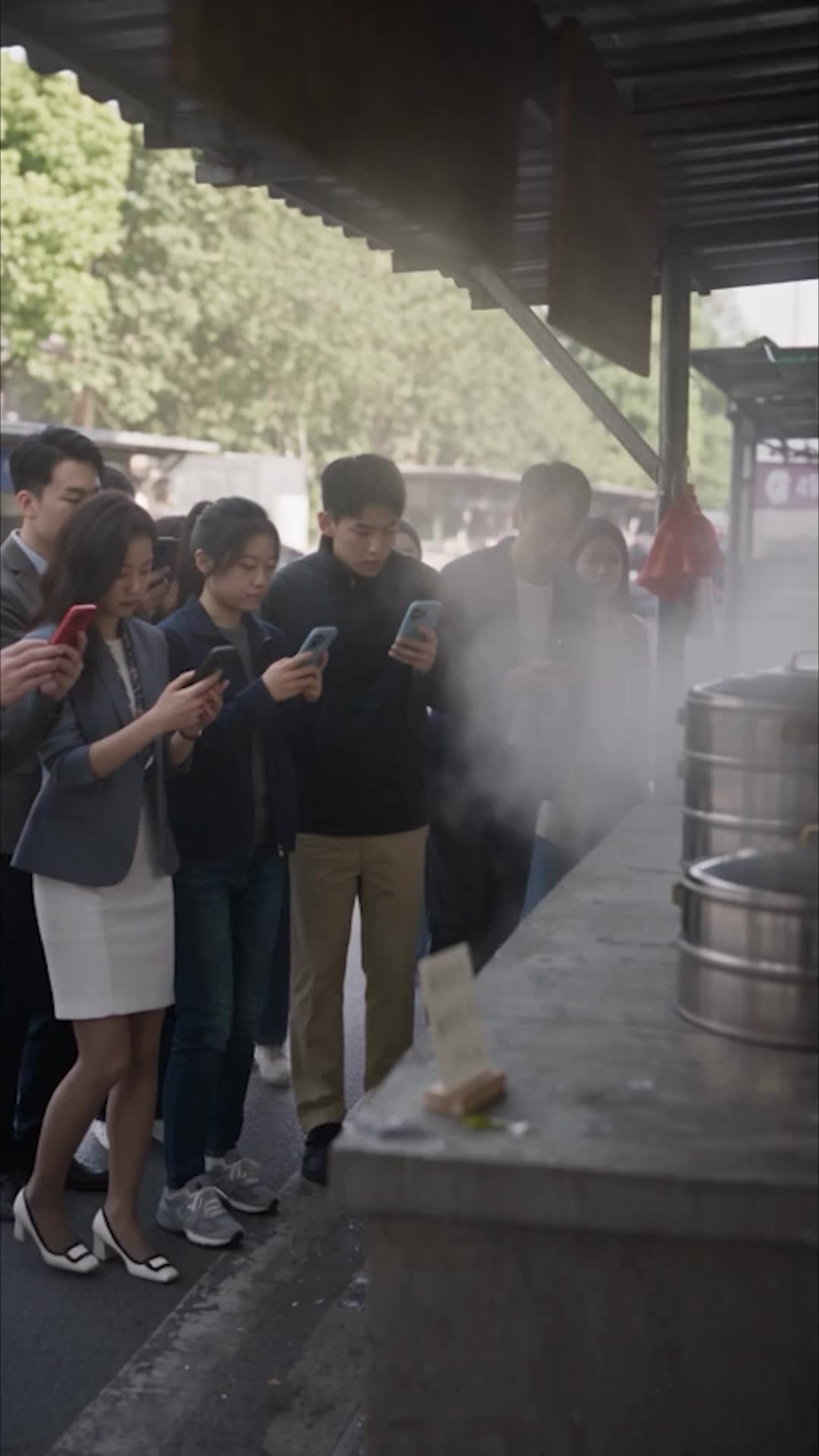
Episode 14 - Fresh Filling Makes Bun Shop Hit
After a customer posts about a local meat bun shop’s non-greasy filling, the small shop suddenly sees a surge in customers. The boss shares their strict commitment to quality: they prepare fresh filling daily, disposing of any unsold portions instead of keeping them overnight. Even as demand spikes, the boss refuses to prep extra filling for the next day, sticking to principles and drawing more patrons eager for tasty, fresh buns.
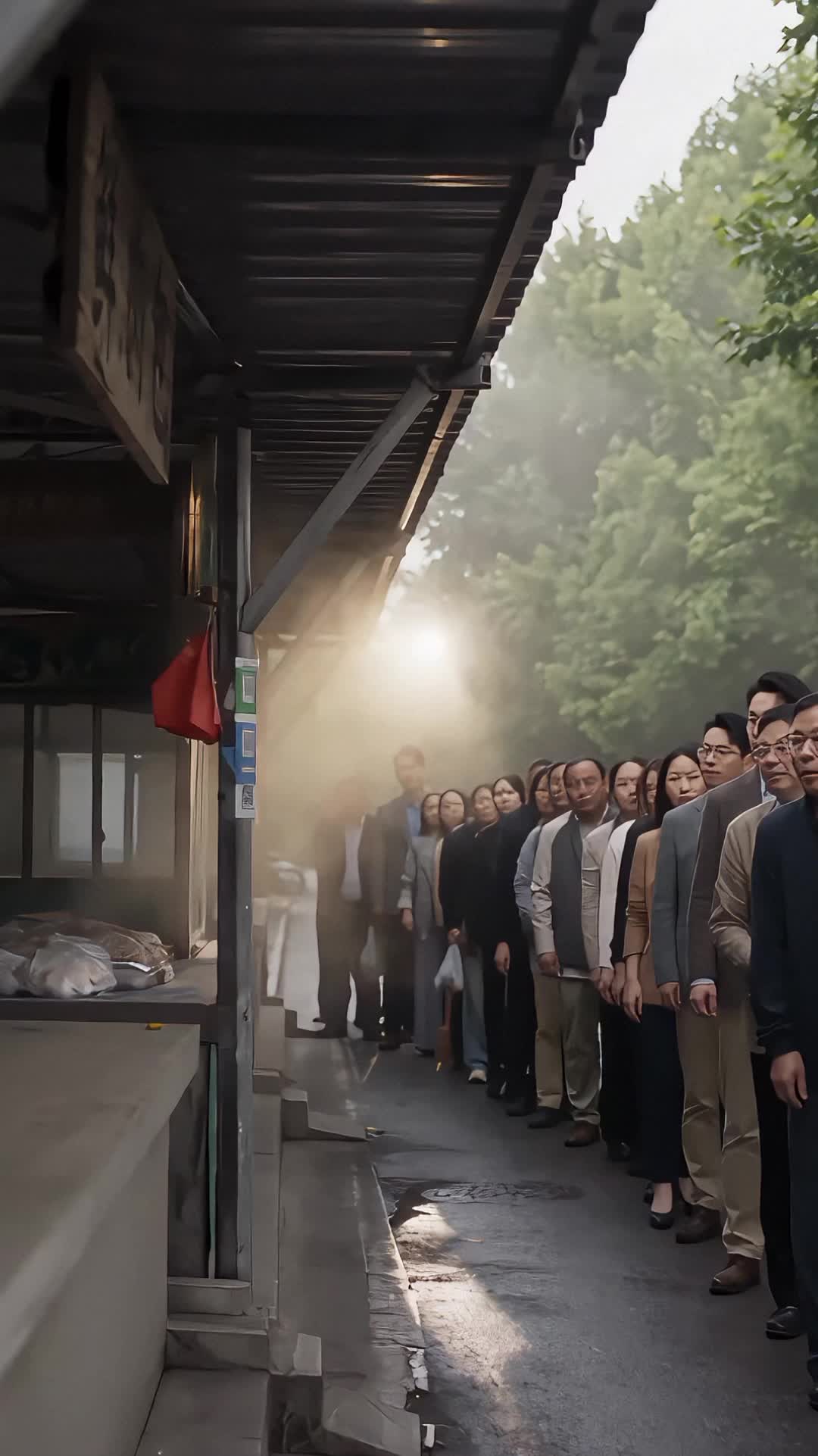
Episode 15 - Breakfast Stall Sells Out; Owner Sticks to Quality
Customers line up for the popular breakfast, with some trying to buy large quantities or urging the vendor to make hasty fillings. The vendor refuses to compromise on taste, prioritizing quality over quick profit, while a customer asks to reserve portions for tomorrow.
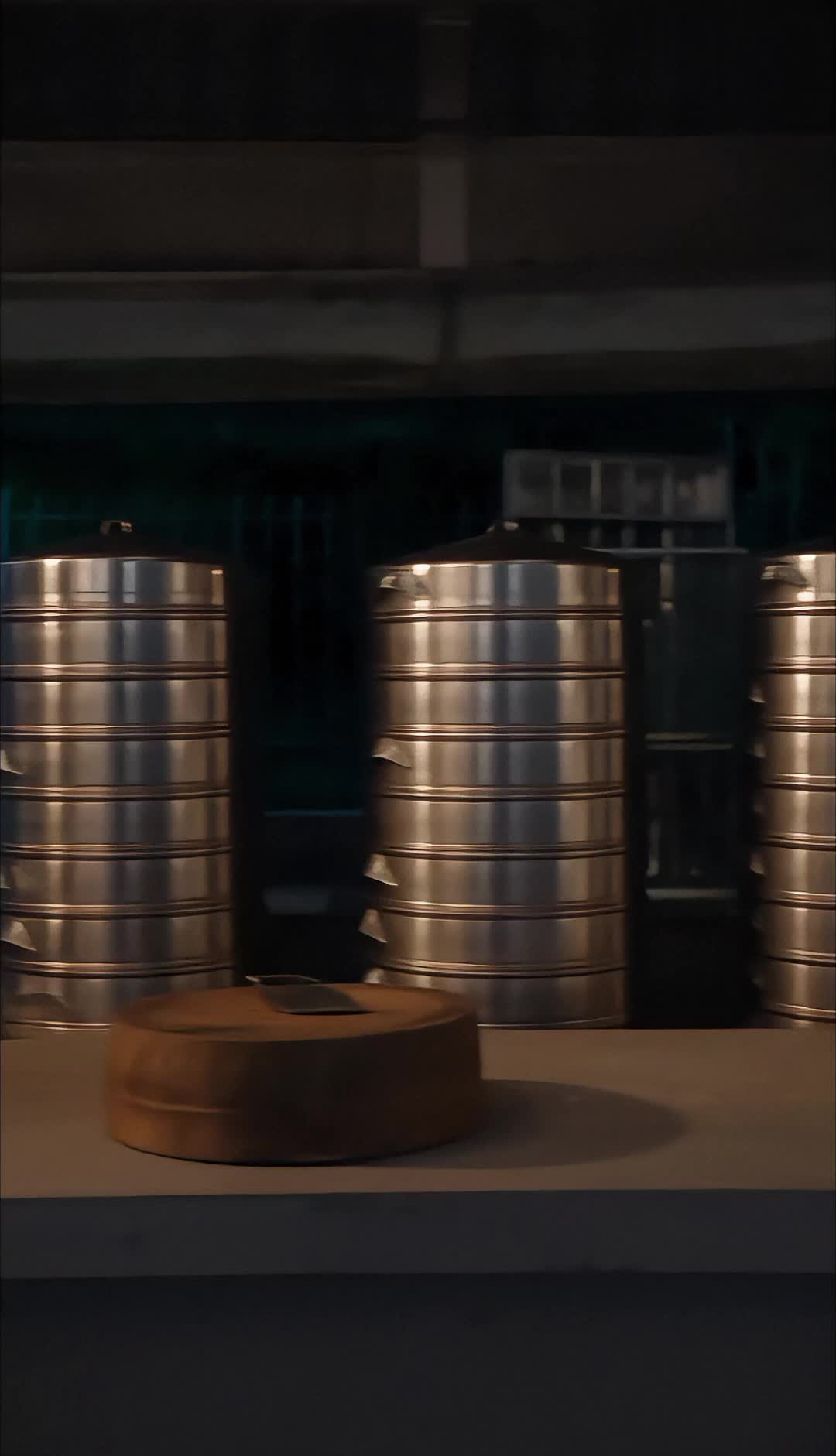
Episode 16 - Quality-Focused Stall Thrives
Witness the breakfast stall owner’s unwavering commitment to quality: he rejects meat grinders for hand-chopped fresh filling, refuses pre-mixed overnight fillings, and limits orders to avoid waste. Customers rave about his consistency, turning the once-quiet east entrance into a popular spot.

Episode 17 - Spoiled Filling in Rush Order
When a staff member notices the yesterday-mixed filling has gone bad and suggests discarding it, Liu Dashan refuses to cut profits. To fulfill the urgent 120-item order, he plans to mask the off smell with fresh filling and extra seasoning, telling workers to seal it tightly to hide defects.
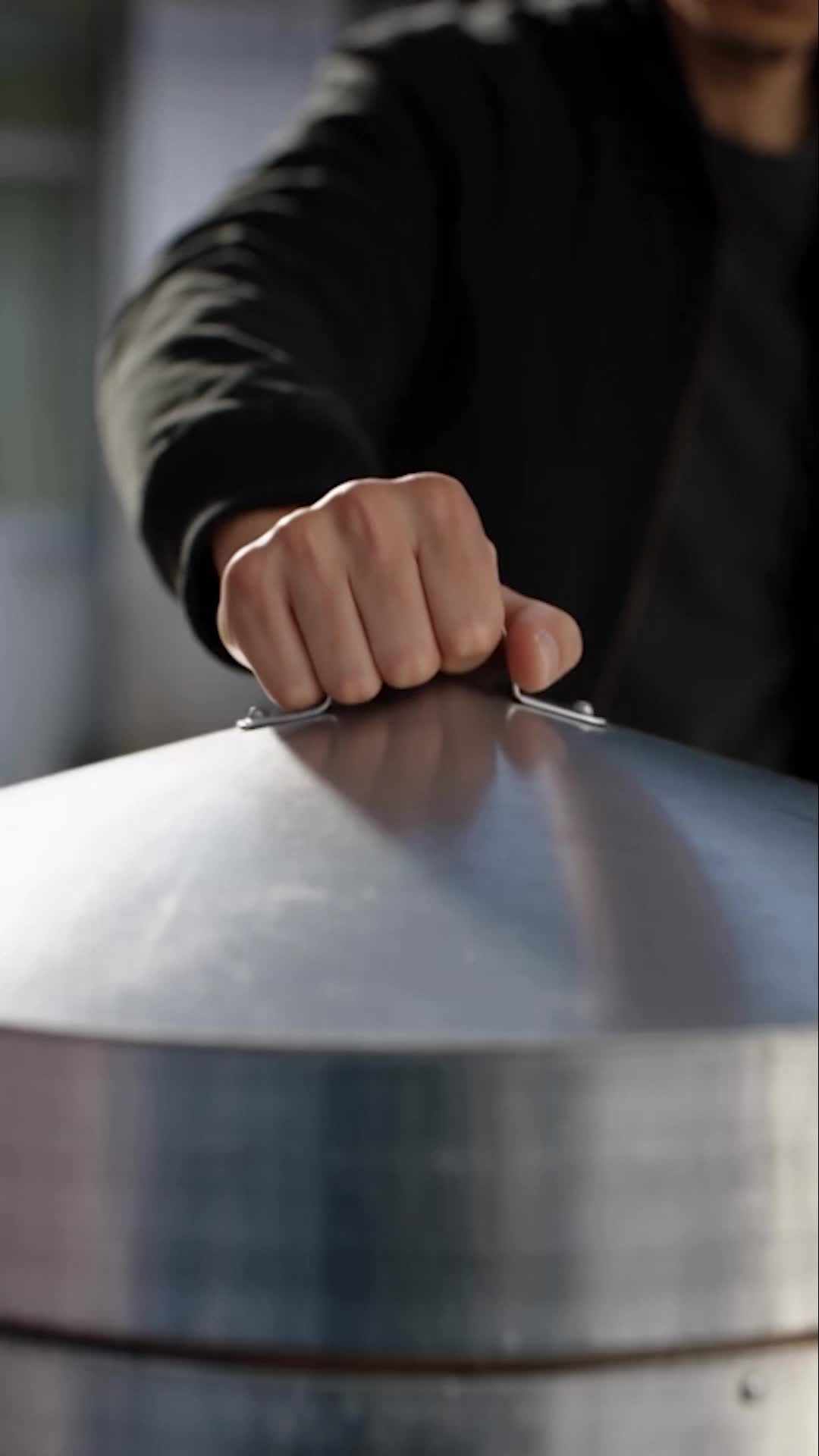
Episode 18 - Breakfast Shop: Good to Bad
The breakfast shop owner initially prides himself on no price hikes and generous portions. To meet high sales targets, he mixes old filling with new, making buns salty and greasy. Customers voice complaints about declining quality, sparking a debate over value and integrity.
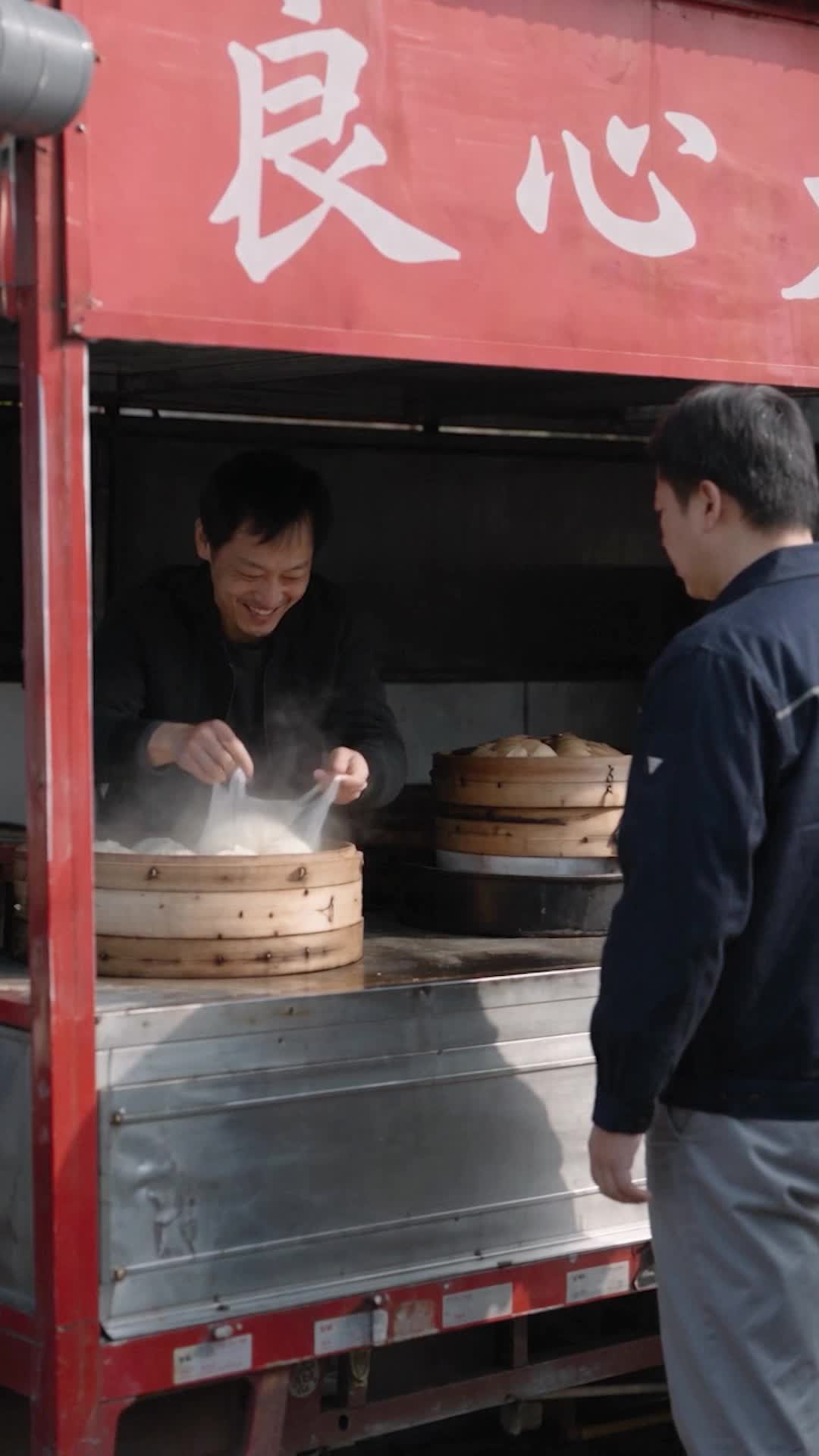
Episode 19 - Boss Liu insists on selling stale buns; filling turns sour
In this breakfast shop segment, conflicts flare between staff and Boss Liu over food integrity. Staff argue over overly strong flavors and oppose reheating leftover buns for resale, but Liu ignores their worries. When customers taste sour filling and demand answers, will Liu’s lack of honesty backfire?
Episode 20 - Zhao Argues with Boss Liu Over Sour Buns
Regular customer Zhao clashes with breakfast stall owner Boss Liu over the sour taste of meat buns. Liu insists it's a new hot-and-sour flavor, but Zhao claims the filling is off. A mediator swaps the bun, yet Liu tells his helper to keep using the batch and add more seasoning—until someone tries it and says it's just full of green onions.

- 1
- 2
